FDA grants breakthrough status to new gene therapy for Dravet syndrome
Early clinical data suggest one-time treatment may reduce seizures
Written by |





ETX101, an experimental one-time gene therapy for Dravet syndrome, has been granted breakthrough therapy designation by the U.S. Food and Drug Administration (FDA).
The FDA grants this designation to investigational treatments for serious conditions that, based on early evidence, may offer a meaningful improvement over existing options. The designation is intended to speed development of promising therapies and gives ETX101’s developer, Encoded Therapeutics, more frequent guidance and interaction with the FDA during development.
“Breakthrough Therapy Designation reflects the FDA’s recognition of both the urgent need for disease-modifying Dravet syndrome treatments and the potential of ETX101 as a meaningful treatment option for this devastating disease,” Salvador Rico, MD, PhD, chief medical officer of Encoded, said in a company press release. “We are grateful to the FDA for recognizing the potential of ETX101 and look forward to continued collaboration to bring a meaningful new treatment option to the Dravet syndrome community as soon as possible.”

How Dravet syndrome disrupts brain signaling
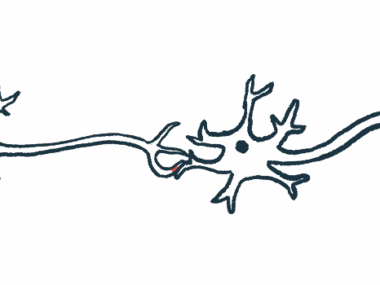
Dravet syndrome is most often caused by mutations in the SCN1A gene, which provides instructions for making a protein essential to the normal function of certain nerve cells. When this protein is missing or does not work properly, nerve signaling is disrupted, leading to seizures and other symptoms of Dravet syndrome.
ETX101 is given as a one-time infusion into fluid-filled spaces within the brain and is designed to deliver a healthy copy of the SCN1A gene to nerve cells, with the goal of addressing the underlying cause of Dravet syndrome. The FDA has previously granted ETX101 several other designations intended to speed and support development, including regenerative medicine advanced therapy (RMAT), fast track, orphan drug, and rare pediatric disease designations.
Encoded is currently sponsoring three clinical trials, known collectively as the POLARIS program, to evaluate ETX101 in children with Dravet syndrome. Across all three studies, participants receive a single dose of ETX101, with the primary goals of evaluating the therapy’s safety and its effects on seizures and behavioral measures.
Two Phase 1/2 trials — EXPEDITION (NCT06283212) in the U.K. and WAYFINDER (NCT06112275) in Australia — have completed enrollment. The third study, ENDEAVOR (NCT05419492), is taking place at sites in the U.S. The study is open to children ages 6 to 47 months (up to nearly 4 years old).
Late last year, Encoded announced interim data from the Phase 1/2 trials involving 19 children treated with ETX101 at various doses. No serious side effects were reported, and the interim data suggested that the gene therapy was associated with fewer seizures and improvements in communication ability and cognitive measures.
“Data from the ongoing Phase 1/2 studies showed durable reduction of seizures and improvements in neurodevelopment following a one-time administration,” Rico said.