Dravet patients face heavy seizure burden despite medications: Study
Researchers say findings highlight need for more effective, tolerable treatments
Written by |
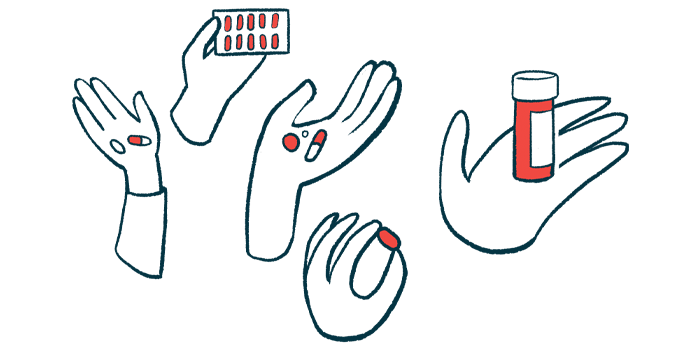




Despite treatment with available antiseizure medications, people with Dravet syndrome often still experience seizures, as well as nonseizure symptoms, a new study highlights.
The study also found that many Dravet patients end up discontinuing or switching seizure medications due to side effects. Overall, these data “suggest that current treatments for [Dravet syndrome] provide inadequate seizure control, leading to frequent use of multiple [antiseizure medications], with safety, tolerability, and ongoing efficacy concerns,” researchers wrote.
The scientists said their study highlights “the need for more effective and tolerable treatments that can reduce seizure burden together with improvements in developmental impairments and cognitive function.”
The study, “Clinical burden and treatment patterns associated with Dravet or Lennox-Gastaut syndromes: A retrospective study using natural language processing of narrative unstructured electronic health records,” was published in Heliyon. Takeda Pharmaceuticals funded the work.

Computer-based analysis of healthcare records performed
Dravet syndrome is a genetic disorder marked by seizures, as well as other symptoms that can range from mental health issues to heart complications. Treatment usually includes medications to manage seizures, often combined with other therapies to manage other symptoms. This multimodal management is a complicated process that requires careful balancing of benefits and potential risks.
In this study, a team led by scientists in the U.S. conducted a computer-based analysis of healthcare records from 166 patients with Dravet syndrome, as well as 1,063 patients with Lennox-Gastaut syndrome (LGS), another type of severe childhood-onset epilepsy. The researchers’ goal was to better understand the seizure and nonseizure burden associated with these conditions, as well as the impact of currently available treatments.
All but two of the Dravet patients had a history of seizures. Most of these patients were being treated with multiple antiseizure medications, the most common including Keppra (levetiracetam), Onfi (clobazam), and valproic acid. Most patients were also prescribed rescue medications, such as Diastat (diazepam rectal gel), that can be given to help control seizures that occur.
More than a third of the Dravet patients had a documented history of treatment changes, such as discontinuing or switching between antiseizure medications. The most common reason for changing treatments was due to side effects. The most commonly reported medication side effects among the Dravet patients were sedation and mood disorders.
“Treatment changes … were noted in approximately one-third of patients in this study. While the causes of these changes were only known in a small percentage of patients, [side effects] were the most common reason noted in the records, indicating tolerability concerns with existing [antiseizure medicines],” the researchers said.

Half of Dravet adults had history of cardiovascular disease
Beyond seizures, a range of other symptoms was also documented among the Dravet patients. Half of Dravet adults, and more than one in 10 children with the disorder, had a documented history of cardiovascular disease. Behavioral and mental health abnormalities, such as autism, ADHD, and depression, were also frequently reported. Dravet patients also had histories of delays in developing both verbal and nonverbal communication skills.
Among Dravet patients with available quality-of-life data, medical records frequently documented specific factors negatively affecting daily functioning. The most commonly reported challenges were sleep disturbances, reliance on feeding tubes, and mobility limitations, all of which contributed substantially to reduced quality of life.
This study revealed that patients with Dravet syndrome or Lennox-Gastaut syndrome treated with currently available antiseizure medications experience substantial seizure and nonseizure burden. Changes in antiseizure medication are common, often due to adverse events and efficacy considerations, suggesting the need for more effective and well-tolerated treatments.
Problems affecting caregivers’ quality of life were also documented in medical records for 8% of patients. These data highlight that nonseizure symptoms “may have a greater impact on overall disease burden than seizures alone,” the researchers said.
The findings for those with LGS were comparable to data seen in Dravet patients, with findings suggesting high rates of both seizures and nonseizure symptoms, as well as common tolerability issues with antiseizure medications.
“This study revealed that patients with Dravet syndrome or Lennox-Gastaut syndrome treated with currently available antiseizure medications experience substantial seizure and nonseizure burden. Changes in antiseizure medication are common, often due to adverse events and efficacy considerations, suggesting the need for more effective and well-tolerated treatments,” the researchers concluded.