
Review highlights deep mental health burden of Dravet caregivers
Anxiety, fatigue, depression point to need for routine assessment, interventions
Written by |
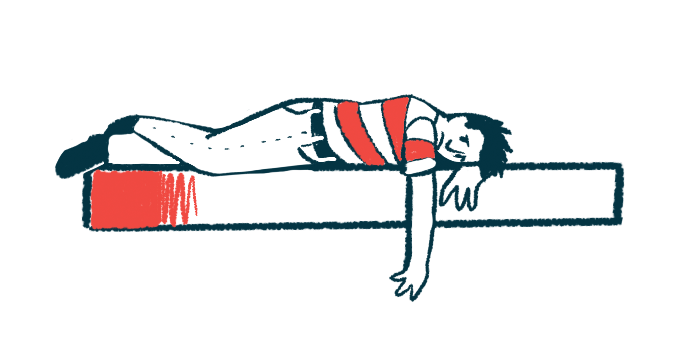




Caregivers of people with Dravet syndrome frequently experience significant mental health challenges, including anxiety and depression, sleep problems, fatigue, stress, and social isolation, according to a systematic review of studies.
The findings, published in the journal Epilepsy, highlight the emotional burden placed on caregivers and underscore the need for routine assessment of their mental health, the researchers wrote. Future studies, they said, “should focus on identifying interventions that ease burden on caregivers.”
The study, “Mental health impacts experienced by caregivers of people with Dravet syndrome: A systematic literature review,” analyzed data from 20 published studies that assessed caregivers’ mental health across North America, Europe, and Asia.
Dravet is a severe form of epilepsy that begins in early childhood and is marked by frequent, prolonged seizures, along with cognitive, motor, and behavioral problems. These symptoms significantly hamper the quality of life of people living with Dravet. Because of the constant care and supervision required, often extending into adulthood, the disease also places a substantial strain on caregivers.
To provide an up-to-date characterization of the mental health burden experienced by caregivers of people with Dravet, a team of researchers in the U.S., U.K., and Germany used two online databases to conduct a systematic review of studies published from 1946 to 2024.

Most caregivers are women, many of them mothers
Of 519 studies initially identified, 20 were used in the final analysis. These included a range of study designs, most commonly cross-sectional studies and surveys involving as few as seven caregivers to more than 250.
Most caregivers were women, representing 42.8% to 100% of participants in each study, and were often mothers, accounting for 88% to 95% of caregivers. Fathers were less frequently represented, ranging from 0% to 50% of caregivers across studies. Other caregivers included relatives such as grandparents, siblings, and other family members.
“More than half of studies did not use a validated instrument to assess mental health in caregivers,” the researchers noted, adding that the “absence of a standardized, disease-specific tool for evaluating caregiver mental health limits consistency and comparability of findings.”
Across studies, depression and anxiety were the most commonly reported mental health conditions. Depression was assessed in 11 studies and anxiety in 10, with reported rates ranging from 5% to 66% for depression and 5.2% to 80% for anxiety.
Three studies using the Beck Depression Inventory-II (BDI-II), a validated tool for assessing depressive symptoms, showed that caregivers generally experienced mild depression. However, higher rates of moderate to severe depression were observed among caregivers of older patients, particularly those aged 12–17 and 18 or older, compared with caregivers of younger children.
When compared with caregivers of age- and sex-matched individuals with other forms of epilepsy, caregivers of people with Dravet had significantly higher depression levels.
Findings from two studies using the Hospital Anxiety and Depression Scale (HADS), a validated tool to assess anxiety and depression, showed that caregivers generally experienced elevated anxiety — in some cases reaching clinically significant levels — while depression ranged from normal to borderline abnormal levels. Higher caregiving demands, including more hours spent providing care, were associated with worse anxiety and depression outcomes.
These patterns were supported by a U.S. study using the European Quality of Life 5 Dimensions (EQ-5D) questionnaire to assess quality of life, which showed that anxiety and depression were the most affected domains among caregivers. In Germany, caregivers also reported higher scores in the anxiety and depression component of the EQ-5D — indicating worse symptoms — compared with the general population.
In addition to depression and anxiety, several studies identified other factors closely linked to caregiver mental health, including poor sleep, fatigue, stress, and social isolation.
Poor sleep was consistently reported, with studies describing sleep disturbances, insomnia, and poor sleep quality in roughly 43% to 75% of caregivers. Sleep problems were commonly linked to nighttime caregiving demands, including monitoring for seizures and frequent awakenings, and were associated with higher levels of anxiety, depression, and overall caregiver burden.
Fatigue was also highly prevalent. Across seven studies, 71.4% to 84% of caregivers described physical and mental exhaustion, along with sleep deprivation, often driven by the demands of constant supervision. In a U.S. study, fatigue was associated with child-related factors, such as frequent nighttime awakenings, restless sleep, and difficulty falling asleep, as well as nighttime monitoring methods, including bed or room sharing, use of monitoring devices, and frequent checking.
Stress was another key challenge. Studies showed that 38.7% to 53% of caregivers frequently experienced stress, while nearly 90% expressed a need for support in managing ongoing stress related to caregiving.
Four studies also noted feelings of social isolation. In one Polish study, about 41% of caregivers reported often or always feeling isolated due to caregiving responsibilities. Qualitative findings further showed that constant supervision and the demands of care limited social interactions and work opportunities, contributing to loneliness and emotional distress.
The findings highlight the “need for validated, standardized instruments tailored to assess emotional and psychological challenges experienced by caregivers of people with [Dravet syndrome], along with identification of interventions and support systems that might help ease caregiver burden,” the researchers wrote.
“Additional studies on caregivers of people with [Dravet syndrome] are required to further assess the impact of caregiving on mental health, they added.



Leave a comment
Fill in the required fields to post. Your email address will not be published.